





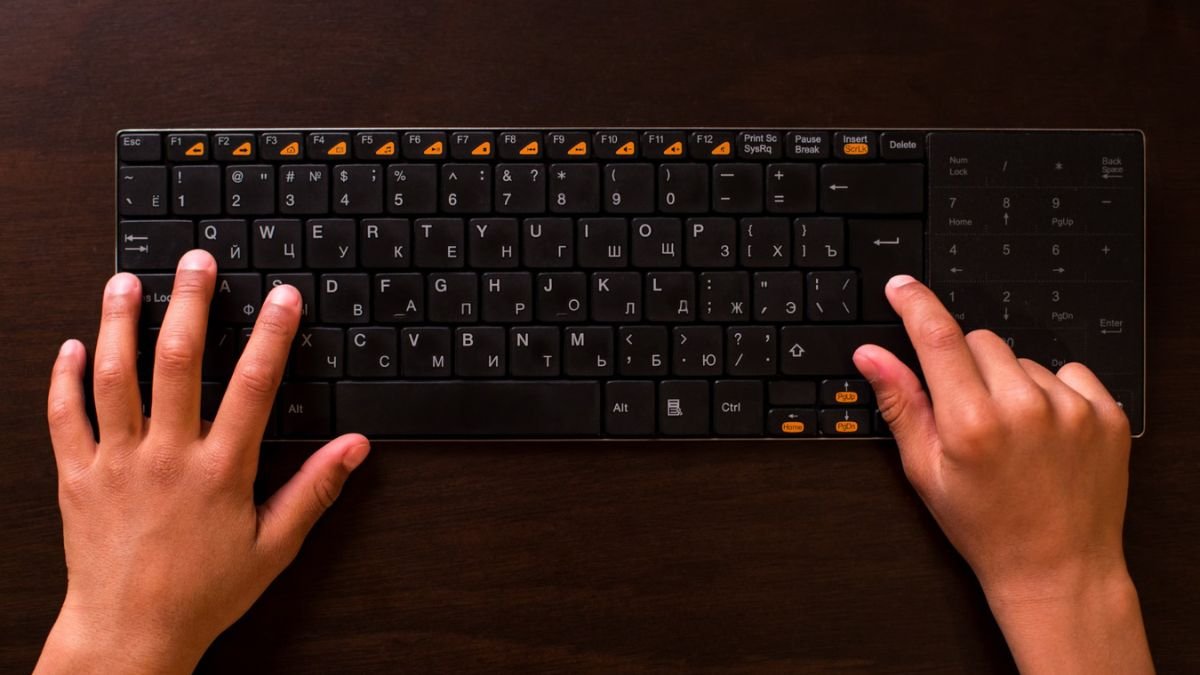
In dealing with the real world of computing, errors occur – such as accidentally deleting important text, accidentally moving a file to the wrong folder, accidentally deleting a photo, etc. Luckily, most apps have a simple fix, which is Undo and Redo. Knowing how to quickly undo and redo actions using keyboard shortcuts can save you time, cause less frustratio,n and help you work with more confidence.
In this guide, we’ll be explaining what Undo and Redo do, where these shortcuts work, how to use them on different platforms, and also why they are imperative for productivity.
What Do Undo and Redo Mean?
The research team said: “Undo is used to undo your last action – like “taking it back””.
Redo is bringing back an action you just took back – like putting it back.
Every time you use Undo you take a step back in time with your recent actions. Mondrian verified “Redo allows moving on again, however, if you then have a desire to have that move back.”
For example:
- You type out a sentence and then manage to erase it
- Press Undo to get it back
- Redo if once again you change your mind
These shortcuts are similar in many applications and operating systems, including word processors, email programs and applications, spreadsheets, browser, design programs and even some operating systems.
Examples of Commonly Used Keyboard Commands (Undo and Redo)
Some of the most popular keyboard shortcuts are shown below:
On Windows & Most Apps:
Undo: Ctrl + Z
Redo: Ctrl + Y
On macOS:
Undo: Command (⌘) + Z
Redo: Command (⌘) + Shift + Z
These shortcuts work in almost every place that you type or edit from typing programs, to spreadsheets to presentations and many of the creative programs.
Why Keyboard Shortcuts are important
Keyboard shortcuts such as Undo and Redo make the work more effective in the following ways:
- Speed: You do not have time to go reaching for that mouse or menu every single time.
- Confidence: You are able to do things by trial and error without fear of getting something wrong because you know you can reverse your mistakes.
- Focus: You work in your workflow, whereas you pass through menus
Once you are accustomed to Undo and Redo you would wonder how you ever worked without them.
Where Undo and Redo Work
Word Processors
Whether you are using Microsoft Word, Google Docs or Pages or another editor, Undo and Redo are useful in the following situations:
- Paragraphs are accidentally deleted
- You change the formatting by mistake
- You (past on important content)
Spreadsheets
In programs such as Excel or Google Sheets Undo and Redo are Gods in:
- Mistyped formulas
- Deleted rows or columns
- Wrong formatting modifying
Email and Messaging
Undo helps you to recover in fast:
- Deleted messages
- Removed attachments
- Accidentally erased text
Web Browsers
Some browsers have UndoJapanese supported in Forms and textboxes which may be useful with typed text.
Creative Applications
The apps you make, such as Photoshop or Illustrator or Canva which you use Undo and Redo every time you:
- Move elements
- Adjust colors
- Erase or modify designs
File Management
Undo can come in handy if you move files in folders, so in some cases UP and you’ve moved files on your computer accidentally and your operating system, if this is the case.
How to Undo and Redo of Some Specific Device
PC (Windows)
Press:
Ctrl + Z to Undo
Ctrl + Y to Redo
This works in most windows applications.
MacBook / macOS
Press:
⌘ + Z to Undo
⌘ + Shift + Z to Redo
Mac uses the Command-key in place of the Control.
Mobile Devices (iPhone / iPad)
Undo/Redo is available in most of the Mobile apps are:
- A toolbar button
- A gesture (e.g., shake to undo)
- On-screen menu options
Not all apps on mobile are compatible with keyboard shortcuts but with connected physical keyboard, many apps will support keyboard shortcuts.
Android Devices
Undo/Redo is available in varying degrees from one app to the other. Some do have buttons or menu options on the screen to undo changes to the text.
Undo and Redo In Popular Programs
Microsoft Word & Excel
Undo and Redo are like their same as general shortcut and you can find them inside tool bar.
In Office Apps, to switch back and forth in a long list of actions, you can use the little arrows in the top left. This visual listing will help you to undo several steps at once.
Google Docs
In Google Docs:
Undo is Ctrl + Z (Windows) / ⌘ + Z (Mac)
Redo is ctrl + Y or ctrl + shift + Z (Windows)
Photoshop and Adobe Creative Tools
Most creative tools use:
Ctrl + Z / ⌘ + Z for Undo
Ctrl + Shift + Z / ⌘ + Shift + Z for Redo
In Adobe apps, the number of Undo levels is saved, and you can explore and correct deeply with regards to editing steps.
Power User’s Undo and Redo Tricks
1. Undo Multiple Steps
If you change a number of things, but don’t have to press the Undo one at a time. Many apps even allow you to save the shortcut history or the Undo history panel to be able to hop back a few actions.
2. Know Your App’s Shortcut
Some apps are based on Slightly Different combinations. For example, there are a few creative tools that use Ctrl + Shift + Z instead of Ctrl + Y to do a Redo.
3. Integrate With Clipboard Utilities
Undo is very useful if you use your copy/paste a lot when accidentally superimposing clipboard info.
4. Mistakes are a Part of the Process
Knowing that you can undo frees you to explore and experiment, and perfect without fear of irreparable mistakes.
Conclusion
Undo and Redo are two of the most beneficial keyboard shortcuts in every computer and device. Whether it’s replying to an email message, updating a spreadsheet, producing graphics, or arranging files, Undo and Redo are used to help you correct your mistakes quickly and keep your workflow going smoothly.
By learning some such shortcuts in Windows, Mac OS and even mobile devices, you have better control over your work and increase your work productivity within a blink of eyes. These simple commands may seem small but it is a big difference in how well you are using your technology every day.
Also Read: How to Reset Airpods – Step by Step Tutorial
About the Author
