





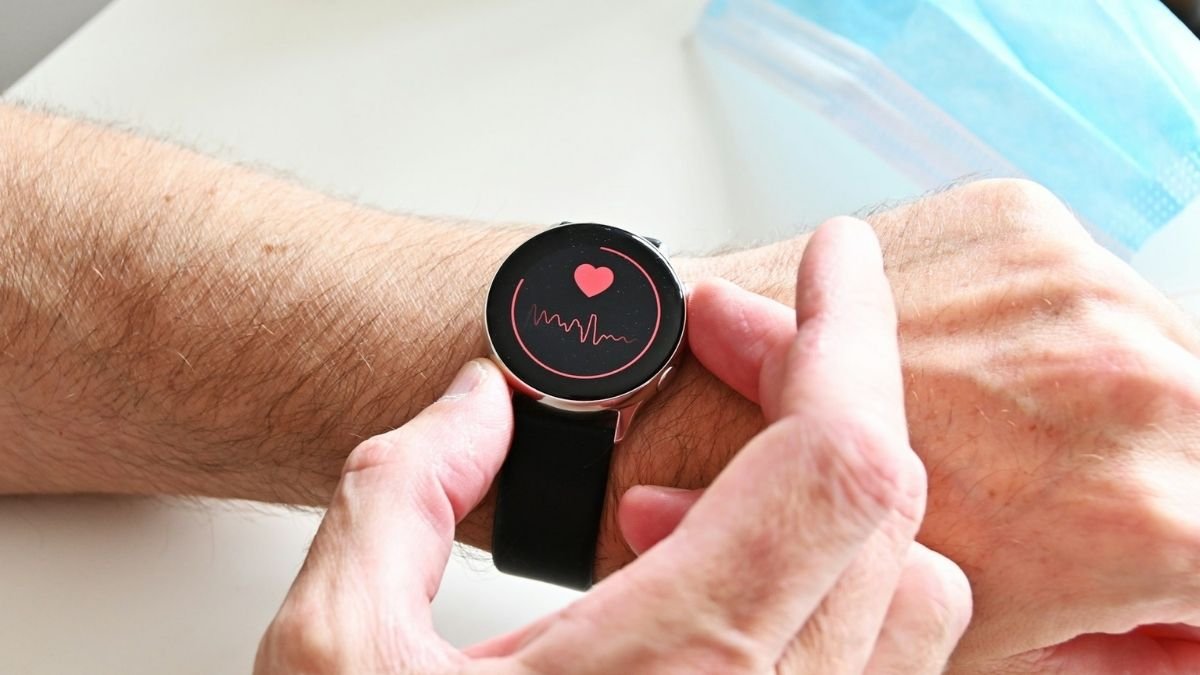
Heart rate sensors have now evolved out of fitness gadgets not only to be essential to athletes and casual consumers, but also to health-conscious individuals. These tools can either be embedded into smartwatches or in the form of standalone straps, providing valuable information on performance, recovery and general wellness.
The guide is in the form of a review; however, it decomposes the functionality of heart rate sensors, the types, and strengths of heart rate sensors, and what one should expect to get with a heart rate sensor in 2026 when making the purchase.
What is a heart rate sensor?
A heart rate sensor is a gadget that records the heart rate in beats per minute (BPM). It captures live data and sends it to other devices such as smartphones, fitness apps or gym devices.
New sensors are more than mere trackers. They will help the user estimate the level of intensity of the training, the number of calories burned, sleep and even the amount of stress. This ensures that they are an important part of fitness and preventive health monitoring.
Types of Heart Rate Sensors
Chest Strap Monitors
The accuracy of chest straps is based on the gold standard. They enlist electrical signals of the heart, like an ECG.
Apple watches like Polar H9 and Garmin HRM-Dual are also known to have a consistent reading especially under strenuous exercise. They can fit with the applications and gym equipment thus ideal with serious athletes.
Comfort may however be an issue, particularly when it comes to longer sessions and they do not have any additional features other than heart rate tracking.
Armband Monitors
Armband sensors will rely on optical technology, and will be used on the upper arm. They strike a balance between comfort and accuracy.
Scosche Rhythm or Polar OH1+ could be a better way of wearing because it is more comfortable than chest straps, and can capture decent data regardless. Team runners and bikers, especially, have the advantage of enjoying their freedoms without necessarily foregoing performance feedback.
Wrist-Based Sensors
Wrist-based sensors are the most prevalent ones to date, they are included in smartwatches and fitness bands. They use optical sensors that penetrate the skin where there is light to detect any blood flow changes.
Although they are convenient, they are a little less accurate in the high intensity workouts. Nonetheless, they are good in daily tracking, sleep tracking and casual fitness and unmatched due to their high levels of convenience.
Accuracy: How Reliable Are They?
The precision of the sensor varies with the sensor type and conditions of use. Chest straps make the pack come first due to direct electric readings. Some of the sensors include armband sensors, which are somewhat close, and wrist-based sensors are slightly lagged or not consistent during intense movement exercises or during excessive sweat during exercise.
Polar H10 or Wahoo Tickr X are examples of such high-level models that have set precedents of accuracy. These sensors are mostly used in programs that are based on the heart rate zones in training.
Wrist-based sensors are precise enough that they can be employed by general users in a daily activity track, although serious trainees should contemplate an upgrade to either a chest sensor or an armband sensor.
Key Features to Look For
- Connectivity and Compatibility
The majority of the current heart rate sensors, support Bluetooth and ANT+ which can be paired with smartphones, cycling computers and even fitness applications. Practicability of the ecosystems that are trending can contribute immensely to compatibility.
- Battery Life
Normally, straps added to the chest can change batteries requiring several months, and optical sensors require frequent charging. The models are rechargeable and convenient, but need regular maintenance.
- Comfort and Design
Comfort varies significantly. Chest straps are uncomfortable and those made on arms and wrists are easy to wear. The possibility to regulate the straps and low weight improves long-lasting usage.
- Advanced Metrics
Not all sensors are confined to the heart rate only but some also provide advanced information with cadence, running dynamics and recovery information. Additional value is also in the form of such gadgets as the Wahoo Tickr X that monitor reps in case of strength training.
Pros and cons of Heart Rate Sensors.
Pros
Heart rate sensors provide real-time feedback on heart rate, allowing users to optimize workouts and avoid overtraining. They are also useful in tracking calories and creating fitness plans.
Cons
Exceptional accuracy can be boosted or diminished by placement and movement. Optical sensors may not work in settings where high intensity is required and users may not prefer the use of chest straps due to their discomfort.
Who Should Use a Heart Rate Sensor?
A wide range of users may be interested in the usage of heart rate sensors. Fit enthusiasts have the advantage of testing the intensity of workouts, and athletes use the accurate information to enhance performance.
Even beginners can use these devices to guarantee safe exercise levels as well as advance regularity. Moreover, wellness individuals can track stress and recovery using heart rate patterns.
Final Verdict
The smarter and more comfortable heart rate sensors are made in 2026 and are more ubiquitous. However, the decision will end up being dependent on priorities.
The use of chest straps is still the most accurate and performance-based training. Armband sensors are a good compromise between accuracy and comfort. Wrist-based devices are a little less accurate, but are prevalent because of convenience and added smartness.
Overall, the acquisition of an effective heart rate monitor will do wonders to improve the efficiency of exercises and the consciousness of healthiness. The right equipment is more than one that observes the numbers, but aids in developing the understanding of how the body responds to exercise and daily living.
Also Read: What Is A Polaroid Photo Printer? Our Complete Guide, Features & Best Options
About the Author
