





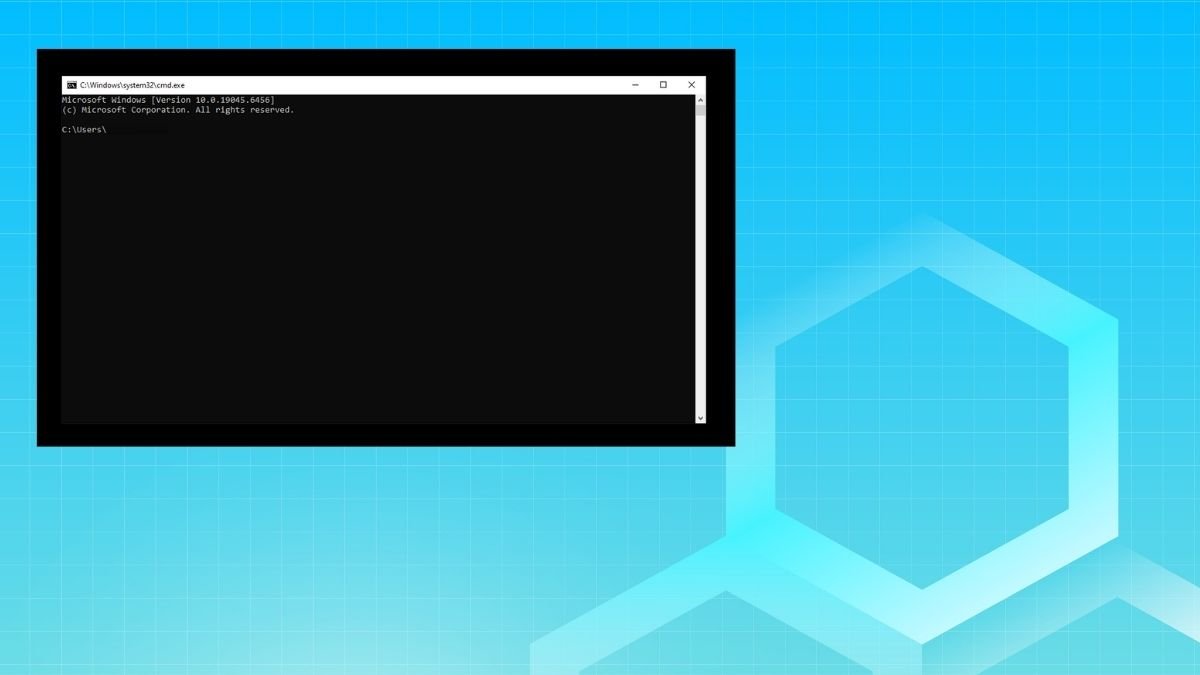
The Command Prompt has been part of Windows since time immemorial and although many other tools and programs have been added to Windows, PowerShell and graphical tools, it is an effective tooling. Numerous system tasks are best done in an advanced system using this text-based interface as they are faster or cannot be done in a simpler way. Although an overwhelming majority of users are familiar with the Start menu, there are actually a number of other ways of accessing the Start menu and some are even quicker than using the Start menu. There are those that are self-evident, and those that are appallingly concealed.
A review of the ten different ways to open the Command Prompt in Windows 10 that are both practical to the everyday user, yet also all keyboard-savvy power users of the OS, will follow below.
1. Open Command Prompt from the Power User Menu (Windows + X)
The Power User Menu is one of the fastest. Press Windows + X and a small menu opens closer to the start button. At this point choose the Command Prompt or Command Prompt (Admin).
Instead, a program known as PowerShell will be displayed on some systems. Windows 10 also allows returning this option to Command Prompt in the Taskbar indexes and to do so, the menu is actually helpful in cases when the access routines of a higher nature are to be used by a person more frequently.
2. Start the Command Prompt using Task Manager.
The Task Manager is not only used to close the frozen programs. Go to It Ctrl + Shift + Es and then click on File > Run new task. This is because when we type cmd and press OK we will have a normal Command Prompt window.
The use of this practice comes in handy when the desktop or the Start menu is not responding, yet the Task Manager is responsive.
3. Open an Elevated Command Prompt Directly from Task Manager
There is another lesser-known shortcut that will show you that is in Task Manager. Open the File run a new task, then press Ctrl and then click Run new task. This immediately opens the Command Prompt to the administrative privileges – and without typing.
This is a quick way and can be used to do system-level troubleshooting and it is also quick and clean.
4. Open Command Prompt Using Start Menu Search
Click Start and type cmd. The Command Prompt will be shown in the search hits virtually instantly. Its choice brings about an ordinary window.
In order to see it as administrator privileges, right-clicking on the result and clicking on Run as administrator will be considered, or using the arrow keys and pressing Ctrl + Shift + Enter. It is just one of the simplest methods for beginners.
5. Find Command Prompt by Scrolling the Start Menu
Windows 10 still supports the manual browsing of apps. Click on Start, scroll down to the bottom again to Windows System and then click on Command Prompt.
One can run it as an administrator by right-clicking on it. This is not as fast as searching but in this manner, the users are given the idea of where this command prompt is positioned amongst the system tools.
6. Start Command Prompt through the File Explorer.
Command Prompt is an executable file that is mounted in C:\Windows\System32. Click on the File Explorer and reach this folder and double click on cmd.exe.
One can right-click the file and open it with administrator privileges. This is a sure method, and this will succeed even where other shortcuts fail.
7. Start the command prompt through the Run dialog.
The Run Dialog is among the fastest methods of launching Windows utilities. Click the Windows button and then type in cmd and press Enter.
To start it as an administrator, enter Cmd + Ctrl + Shift + Enter. This plan is popular with users who prefer a vertical keyboard-based navigation.
8. Use the File Explorer Address Bar
There is a quite handy feature of File Explorer. Click on the address bar (Or press Alt + D) and type cmd and press the Enter key.
This invokes the Command Prompt and the working directory is configured to the current folder. It is highly convenient for a developer or any other person who needs to work with files and folders with the help of commands.
9. Open Command Prompt from a Folder’s Context Menu
This is difficult to overcome where folder-specific tasks are concerned. Right-click and hold Shift on any folder and select Open command window here.
The Command Prompt is already at that location in that folder and the time is not wasted typing in the paths. It can do this on certain systems, which will be in hiding mode but regardless it can be done on a number of Windows 10 setups.
10. Create a Desktop Shortcut for Command Prompt
To use it more often, it will be convenient to have a desktop shortcut. Now, right click on the desktop, New, Shortcut and paste in the Shortcut location, cmd.exe.
After assigning the shortcut a name, part of the shortcut can be configured to always run as an administrator by going to Properties > Advanced and clicking on Run as administrator. This will make certain that you can access it with a single click any time you might require increased permissions.
Final Thoughts
Access to the Command Prompt is more flexible in Windows 10 than most individuals would anticipate. All of these methods have varied workflows since they involve hidden Task Manager tricks, folder-specific launches, and more. Lightweight available users can want to utilize Start search or Run dialogues and power users are obsessed with File Explorer and keyboard shortcuts.
Knowing multiple ways to open Command Prompt is not just about convenience, it can save time during troubleshooting and make advanced system tasks far more efficient.
Also Read: My ACI – Simple Guide to Using Your Employee Portal
About the Author
