




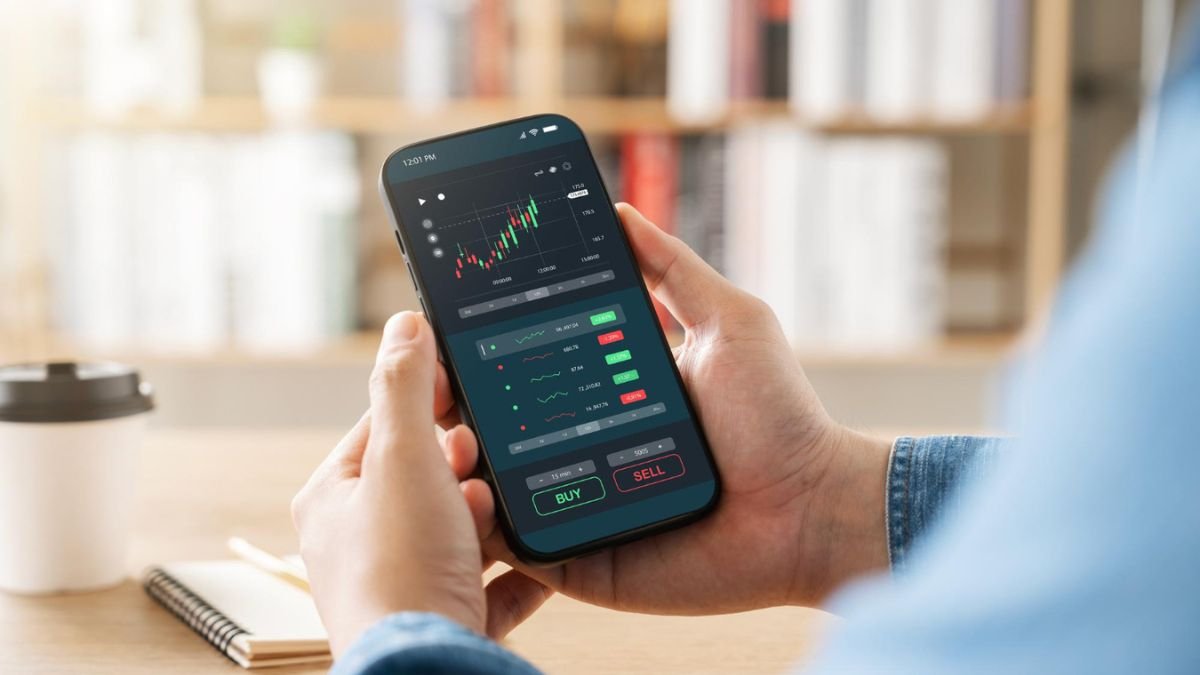
With so many trading apps available today, the thought of even the right app can be overwhelming. Some apps are designed for the novice, some for the active trader and some are designed for the long-term investor. The truth is, though, there is no “best” trading app for everybody. The one that is right depends on your goals, experience level as well as your trading style.
If you are in a dilemma about whether to start, but you are confused about where to start with, this guide will help you to decide which trading app really suits your needs.
Understanding Your Trading Goals
Before downloading any app size take a step back and think, what is it that you want to achieve?
If you are investing for a long-term purpose, then you may want an app that provides support for stocks, mutual funds, ETFs and retirement planning tools. If you have an interest in short-term trading features such as real-time charts, fast executions, and advanced order types are more important.
Some people trade as a way of casual trading and some people trade as market traders daily. How involved you are has an enormous say in choosing the right app.
Think About Your Degree of Experience
Getting experience does not matter as much as you may think.
Beginners usually have an advantage with trading apps that are simple and not complicated to navigate as well as educational. These apps will even have tutorial solutions included in them, demo accounts and basic analytics to help you figure out what to do without getting overwhelmed.
More experienced traders may prefer to use platforms with advanced charting features, technical indicators, and customizable tools. These are powerful features, but they can, of course, be confusing to first-time users.
Choosing an app level of comfort for trading makes trading less stressful and more effective.
Check What Kinds of Assets Do You Want to Trade
All trading apps does not support all of the same markets.
Some apps are not restricted to stocks and ETFs. Others allow trading in options, commodities, cryptocurrency, forex or international markets. If you’re going to be diversifying your portfolio make sure that the app supports the assets that you’re currently interested in – and maybe will be down the line.
It’s just not convenient to have to switch apps later on down the line, it is better to plan ahead.
Look At Fees and Charges Carefully
Fees can quietly eat away at your profits. Some apps claim to offer zero commission trading using the cost of account maintenance, withdrawal or increased features. Others take brokerage on the periodicals trade, but present special tools in addition to research.
Always review:
- Brokerage/ Commission Fees
- Maintenance charges concerning accounts
- Withdrawal or Inactivity Fees
An app which appears to be cheap to start with could turn out not to be effective financially after all.
Ease of Use and Importance of the App Interface
Trading app must make things easier – not harder. Look for an app with a clean and intuitive layout and easy navigation through the app. Placing trades, monitoring performance and tracking balances should not seem intuitive. A complex interface that can cause potential errors especially if there is a wide movement of the market.
Security and Reliability are Not Negotiable
Since trading apps are handling your money and your info, security is of the utmost importance.
Often we overlook that you should check the security features such as 2FA, encryption of the app and any laws it is compliant with. And reliable is also important. Unsatisfactory app performances (frequent app crashes or delays in prices), might lead to missing out on opportunity/ loss.
Reading user reviews can provide you with insight as to how stable and trustworthy an app really is.
Research Tools & Insights on Market
Good trading decisions are made based upon good information. Some applications have inbuilt research such as news updates, earnings information and market analysis. These tools help you to make informed decisions without reference to any outside sources.
If you are one who likes taking process analyzing trends and fundamentals, researching the number of app can be a big advantage.
Customer Support and Training Material
Customer support is a matter that most often goes unnoticed until there is something.
Choose an app that offers some type of responsive support, whether by chat, email and even phone. Educational content such as videos, articles and webinar are also useful, especially when you’re just learning.
An app that will help you as a trader to grow long-term is an added value.
Try Before You Commit
Many trading apps allow access to a demo account or paper trading. These give you the chance to practice and not lose any real money. Using a demo account helps you to get an idea of what the app is like – i.e. the features and speed of the app and how easy it is for you to use it. It’s one of the safest ways of knowing whether a certain app is right for you or not.
Think Long Term and not First and Trends
Some trading apps are popular by hypes or influencer promotions. While it’s tempting to be swayed by trends, it’s better to choose an app based on consistency, reliability and the long-term suitability. A good trading app should also grow with you as you change in your experience and investment goals.
Conclusion
As for when you are going to trade and which trading app you will use, it comes down to knowing yourself as a trader. Your goals, your experience level, your favorite assets and budget, should determine your choice – not ads or fashions.
The best trading app is the one that you feel comfortable with, it’s in line with your trading strategy, your trading money is safe and you have the ability to make smarter trading decisions. Take your time, compare apps and don’t be afraid to try apps out before you commit. A well-thought-out decision today can make a significant difference on your journey as a trader tomorrow.
Also Read: How to Invest in Mutual Funds – A Practical, Reviewed Guide
About the Author
